Drooling or sialorrhea can occur during sleep. It is often the result of open-mouth posture from CNS depressants intake or sleeping on one's side. Sometimes while sleeping, saliva does not build up at the back of the throat and does not trigger the normal swallow reflex, leading to the condition..
Also, how do I stop myself from drooling in my sleep?
The best ways to stop drooling
- Change sleeping positions. Share on Pinterest Certain sleeping positions may encourage drooling.
- Treat allergies and sinus problems.
- Take medication.
- Receive Botox injections.
- Attend speech therapy.
- Use an oral appliance.
- Have surgery.
One may also ask, what is drooling a sign of? Drooling can be a symptom of a medical condition or developmental delay, or a result of taking certain medications. Anything that leads to excessive saliva production, difficulty swallowing, or problems with muscle control may lead to drooling.
Besides, what does it mean when you drool in your sleep?
Reasons Drooling Happens The body normally produces more than 1 liter of saliva per day. The simplest answer is that you drool during sleep because your mouth is open. The muscles of the body relax during sleep, especially during REM sleep, and it is possible for your mouth to fall open at this time.
Is Drooling a sign of good sleep?
Drool is excess saliva that comes out of your mouth. While it can feel uncomfortable when it happens, most of us drool once in a while, especially during sleep. Though drooling while you sleep is fairly common, sometimes drool is a symptom of a neurological condition, sleep disorder, or other health condition.
Related Question Answers
Do you fart in your sleep?
It is possible to fart while you sleep because the anal sphincter relaxes slightly when gas builds up. Sometimes the sound of a fart can wake you up during a point in sleep when you are slightly conscious, such as while you're falling asleep or in a light sleep.Do spiders crawl in your mouth when you sleep?
Luckily for all of us, the “fact” that people swallow eight spiders in their sleep yearly isn't true. Not even close. The myth flies in the face of both spider and human biology, which makes it highly unlikely that a spider would ever end up in your mouth.What medications can cause drooling?
Major medication groups that are clearly associated with drooling are antipsychotics, particularly clozapine, and direct and indirect cholinergic agonists that are used to treat dementia of the Alzheimer type and myasthenia gravis.What is sleep Apnoea?
Sleep apnea is a potentially serious sleep disorder in which breathing repeatedly stops and starts. If you snore loudly and feel tired even after a full night's sleep, you might have sleep apnea. The main types of sleep apnea are: Obstructive sleep apnea, the more common form that occurs when throat muscles relax.Why do I snore?
What causes snoring? Snoring happens when you can't move air freely through your nose and throat during sleep. This makes the surrounding tissues vibrate, which produces the familiar snoring sound. People who snore often have too much throat and nasal tissue or “floppy” tissue that is more prone to vibrate.How do I stop producing so much saliva?
Treatment can also include a beta-blocker or botulinum toxin (Botox). Home remedies: Drinking plenty of water can reduce saliva production. Tooth-brushing and rinsing with mouthwash can also temporarily dry out the mouth.Why does my mouth keep watering?
Watery mouth, also called hypersalivation, sialorrhea, or ptyalism, is a condition marked by excess saliva. Nausea can be accompanied by increased salivation , aversion to eating certain foods, and excessive swallowing. A watery mouth can have a medical cause that may also cause nausea, among other gastric symptoms.Why is my saliva Brown in the morning?
The color brown often means old blood. You may see this color after your phlegm appears red or pink. Brown phlegm is commonly caused by: Cystic fibrosis: This chronic lung disease may cause rust-colored sputum.Can excess saliva cause coughing?
Choking on saliva can occur if the muscles involved in swallowing weaken or stop functioning properly due to other health problems. Gagging and coughing when you haven't been drinking or eating is a symptom of choking on saliva. You may also experience the following: waking up coughing or gagging.Whats it mean when you wake up with blood in your mouth?
Blood in your mouth is often a result of trauma to your mouth or throat, such as chewing or swallowing something sharp. It could also be caused by mouth sores, gum disease, or even vigorous flossing and brushing of your teeth. If you're coughing up blood, it might appear that your throat is bleeding.What causes sleep apnea?
In adults, the most common cause of obstructive sleep apnea is excess weight and obesity, which is associated with soft tissue of the mouth and throat. During sleep, when throat and tongue muscles are more relaxed, this soft tissue can cause the airway to become blocked.Where does saliva come from in your mouth?
The glands that make saliva are called salivary glands. The salivary glands sit inside each cheek, at the bottom of your mouth, and near your front teeth by the jaw bone. There are six major salivary glands and hundreds of minor ones. Saliva moves through tubes called salivary ducts.What does it mean when your saliva is thick and sticky?
Dry mouth syndromeWhen the salivary glands in your mouth don't produce enough saliva, it can make your mouth feel parched or dry. A symptom of dry mouth syndrome is stringy or thick saliva, as there is not enough moisture in the mouth to thin it.What causes excessive salivation?
Hypersalivation, or increased saliva, can be caused by overproduction or decreased clearance of saliva. Causes of saliva overproduction include pregnancy, excessive starch intake, gastroesophageal reflux disease, pancreatitis, liver disease, serotonin syndrome, oral ulcers, and oral infections.Why is my child foaming at the mouth while sleeping?
Foaming or frothing at the mouth occurs when excess saliva pools in the mouth or lungs and is mixed with air, creating foam. Unintentional foaming at the mouth is an extremely uncommon symptom and a sign of a serious underlying medical condition that requires emergency medical care.Is Drooling a sign of cancer?
Eventually you may have trouble swallowing even liquids. Symptoms in later stages of the cancer may include drooling, spitting up pieces of undigested food, and weight loss. You may also have hoarseness and coughing if other tissues near the esophagus are affected by the cancer.Is Drooling a sign of Parkinson's?
Drooling. Excessive drooling, called sialorrhea, is a common symptom of Parkinson's and can cause awkwardness in social situations. In PD, usually the amount of saliva your body produces is normal, but swallowing difficulties – swallowing less often or not completely – lead to saliva pooling in the mouth.Why do dogs suddenly start drooling?
Organ disease: Liver and kidney diseases, for example, can cause drooling. As they age, dogs are more likely to get sick. Keep your dog from eating them. Your dog might also lick or eat certain frogs, toads, scorpions or spiders that are poisonous.Why does the corner of my mouth feel wet?
In some cases, there is no clear cause of angular cheilitis. Often, however, angular cheilitis begins when the corners of the mouth stay moist for too long. When the saliva evaporates, dryness and irritation begin. People may then lick their lips to try to ease the dryness and irritation, creating more moisture. 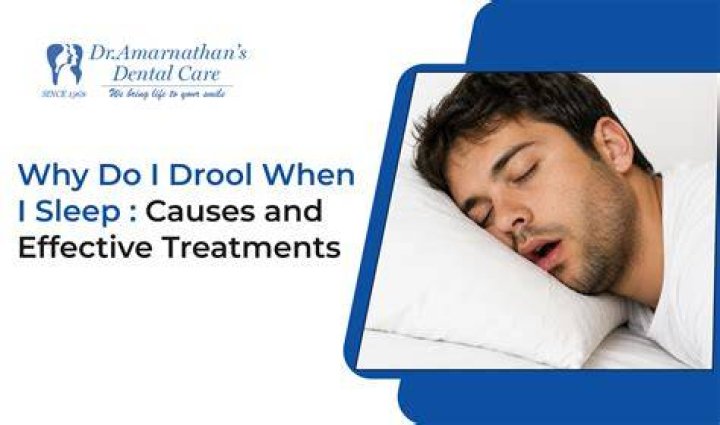
 Mia Horton